[AD] Do you want to keep your home at a comfortable temperature all year long? If so, the key might be thermal insulation. It is one of the most essential elements when it comes to cooling and heating our living spaces – especially during extreme temperatures. But how can we benefit from thermal insulation throughout our homes?
Today, we'll explore the different types of thermal insulation available and their associated materials, as well as examine how these materials work together to make the space more energy-efficient. Read on for an informative guide into this often overlooked yet incredibly important component of building construction.
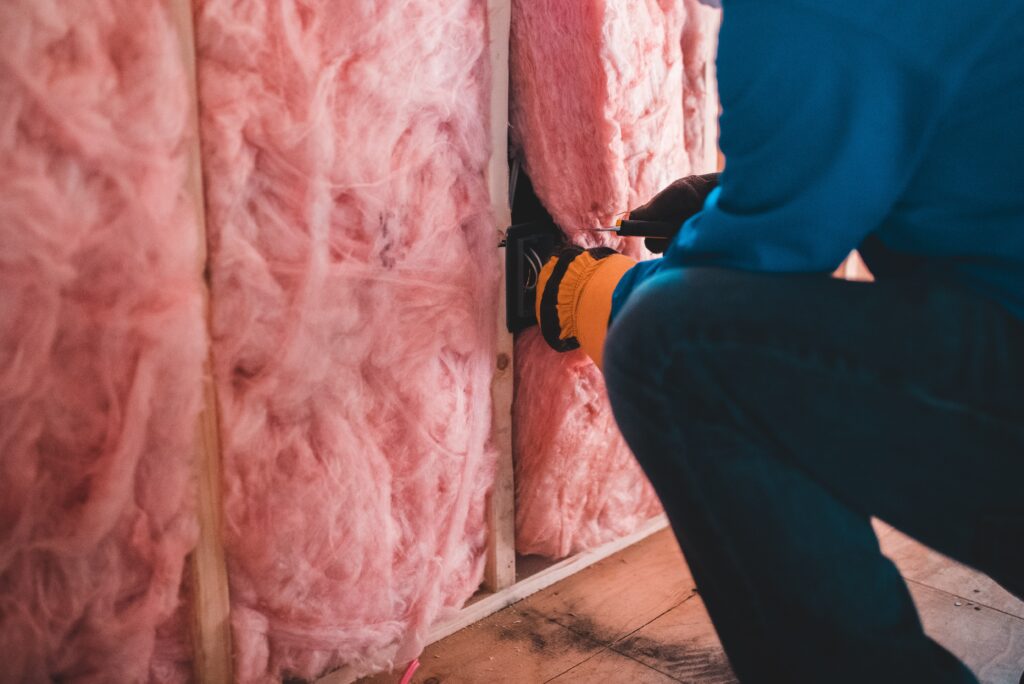
[Photo by Erik Mclean on Unsplash]
What Is Thermal Insulation?
Thermal insulation refers to the process or materials that prevent the transfer of heat. This is achieved by creating a barrier between areas of differing temperatures. The primary function of thermal insulation is to reduce the heat flow between objects in thermal contact or in range of radiant influence.
Energy Efficiency
One of the most significant benefits of thermal insulation is its energy efficiency. By reducing the amount of heat that escapes or enters a building, insulation helps maintain a consistent internal temperature. This means less reliance on heating and cooling systems, leading to lower energy bills.
Comfort
Thermal insulation enhances the comfort of a home or building by maintaining a consistent indoor temperature, irrespective of the weather conditions outside. It helps in keeping the interior cool during summers and warm during winters, providing an overall comfortable living and working environment.
Environmental Impact
With increased energy efficiency comes a reduced environmental impact. By utilizing less energy for heating and cooling, insulated buildings contribute to lower amounts of carbon dioxide and other greenhouse gases being released into the atmosphere. This makes thermal insulation a key factor in sustainable construction and living.
Noise Reduction
In addition to temperature control, thermal insulation also contributes to noise reduction. The materials used in insulation are excellent at absorbing sound, which can help in reducing the level of noise that enters the outside environment. This results in quieter, more peaceful living and working spaces.
Fire Safety
Certain types of thermal insulation materials are designed to be fire-resistant, adding an extra layer of protection to homes and buildings. By slowing the spread of fire, this type of insulation can give people more time to evacuate a building, potentially saving lives safely.
Cost Savings
While there is an upfront cost to installing thermal insulation, the long-term savings can be substantial. As thermal insulation leads to lower energy bills, over time, the savings can eventually offset the initial investment. Furthermore, with potential grants and incentives available for making homes more energy-efficient, the cost of installation could be partially, if not fully, covered.
Longer Lifespan of HVAC Systems
Having proper insulation can also increase the lifespan of heating, ventilation, and air conditioning (HVAC) systems. Since these systems won't need to work as hard to maintain an optimal temperature, they're likely to last longer, reducing the need for costly repairs or replacements.
Types of Thermal Insulation
Now, let's delve into the diverse types of thermal insulation that can be used in buildings and homes. Each of these types possesses unique characteristics, suiting different requirements and applications depending on factors such as climate, home design, and budget.
Fiberglass Insulation
Fiberglass is one of the most commonly used insulation materials. It's a cost-effective option that is easy to install and effectively slows the spread of heat, cold, and sound in structures.
Mineral Wool Insulation
Mineral wool, also known as rock wool or slag wool, is made from rock, blast furnace slag, and other raw materials. It is fire-resistant and also offers effective sound dampening.
Cellulose Insulation
Cellulose insulation is one of the most environmentally friendly options. Made from recycled paper products, it provides excellent thermal and acoustical insulation.
Polyurethane Foam
Polyurethane foam offers high thermal resistance and less thickness than other insulation types. It is commonly used as spray foam insulation, which is excellent for sealing gaps and cracks.
Polystyrene Insulation
Polystyrene is a type of plastic used for insulation and is available in two types: expanded (EPS) and extruded (XPS). It provides a high level of insulation and is often used in building walls, roofs, and foundations.
In Conclusion
Thermal insulation plays a crucial role in creating an energy-efficient, comfortable, and safe living environment. By understanding the different types of thermal insulation available and their respective characteristics, homeowners can make informed decisions on how to insulate their homes best. With the right materials and proper installation, thermal insulation can provide numerous benefits that contribute to a more sustainable and cost-effective way of living. Contact an insulation expert today to learn more about how thermal insulation can benefit your home and make it a better place to live.