[AD] Hair loss is a real and visible condition that can cause anxiety, insecurity, depression, and other emotional struggles. Whether it’s male pattern baldness or rapid shedding due to stress or medical conditions like alopecia, people of all ages may have to face hair loss at some point in their life. It’s a completely normal thing to experience. But if you are noticing more strands on your bathroom floor than usual and want to know what solutions are available for managing the condition then this blog post is for you! In this write-up we will discuss both medications and surgical procedures such as hair transplant surgery which can help minimise the impact of hair loss so that you can feel confident again.
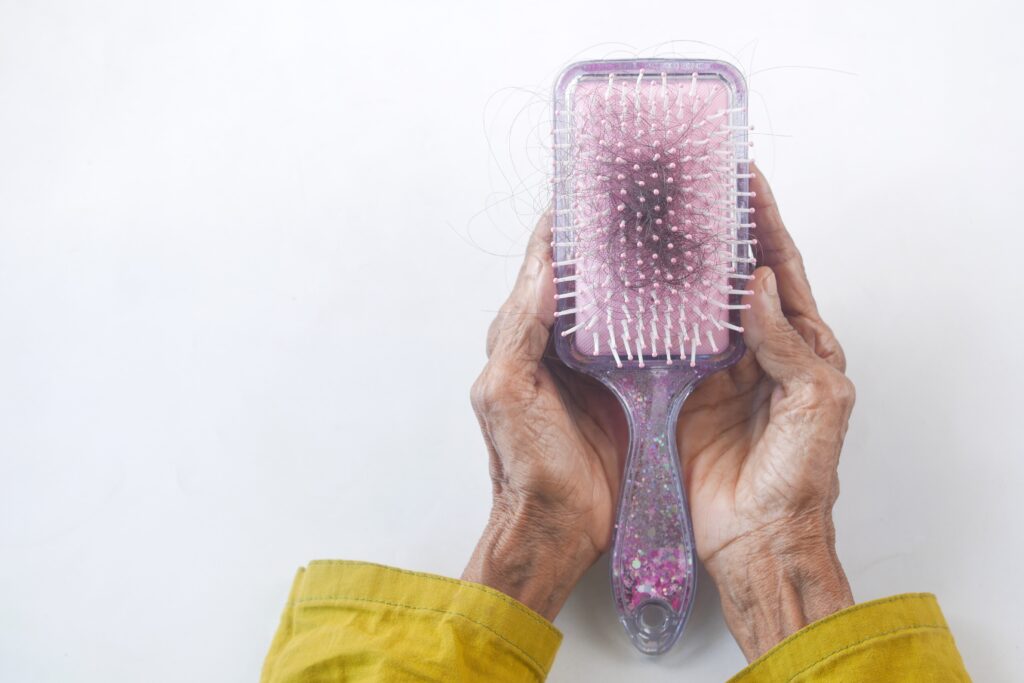
[Photo by Towfiqu barbhuiya on Unsplash]
Medications to manage hair loss
Medications can help to manage hair loss, but they may not be effective for everyone
Hair loss can be an embarrassing and distressing condition that no one wants to experience. Fortunately, there are medications available that can help men and women manage this issue. However, these medications may not be effective for everyone. Hair changes stemming from age, genetics and hormones cannot always be managed just with medication alone. Seeking the guidance of a physician or dermatologist is often necessary to determine whether seeking medical intervention or recommending lifestyle changes is the best course of action.
There are a variety of approaches to managing the symptoms of hair loss, so it is important for individuals to investigate thoroughly in order to determine which solution works best for them.
Hair transplant surgery
Hair transplant surgery is an option for those who want to restore their hairline
This form of surgery involves extracting healthy hairs from one area of the scalp and transplanting them into balding or thinning patches. This procedure can be used to replace a complete or partial hairline, as well as to restore receding hairlines. Results can vary depending on the quality of donor hairs and how long ago the patient’s hair loss began. Many who receive this type of surgery report positive outcomes. With proper aftercare, hair restoration achieved through surgery can look completely natural and last for many years.
There are several different types of hair transplant surgery available
Hair transplant surgery, or hair restoration surgery, is a surgical procedure for restoring balding areas of the scalp. This can be an effective way to minimise the effects of losing one's hair, but it is important that the patient choose the right type of transplant for their individual situation.
With advances in technology over recent decades, there are now several options when it comes to hair restoration treatments:
- Follicular Unit Transplantation (FUT)
- Follicular Unit Extraction (FUE)
- Robotic Hair Restoration
- SmartGraft
Each method has its own set of factors that must be taken into account before settling on the best course of action for a successful outcome and natural-looking result. It is essential for patients considering this procedure to talk with a qualified professional. This ensures they understand all aspects involved with each type of treatment available so they can make an informed decision about their hair transplant journey.
Managing hair loss can be difficult, but there are options available to you. Medications and surgery are two popular methods for managing hair loss, but it’s important to talk to a doctor before deciding on a course of treatment. Visit hair transplants Perth experts or give them a call today to learn more about what they can do for you.