Whether you own a hotel, restaurant or something else that has a kitchen, knowing how to look after and manage the professional kitchen is something that can definitely take time. This is likely to be really important for you to consider, and it’s going to be a good idea to make sure you are thinking about it from a number of different angles. As it happens, there is a lot that you can learn about managing a professional kitchen all in all.
Managing a professional kitchen is a delicate balance of precision, pressure, and planning. It is an environment where creativity meets discipline, and where the smallest inefficiency can ripple into service-wide disruption. Whether you are running a bustling restaurant, a hotel kitchen, or a catering operation, the systems you build behind the scenes will ultimately define the experience you deliver to every guest. At its core, a professional kitchen is less about cooking and more about coordination. The food may be what people remember, but consistency, timing, hygiene, and teamwork are what make that food possible in the first place. Understanding how to manage these moving parts is what separates a kitchen that survives from one that thrives.
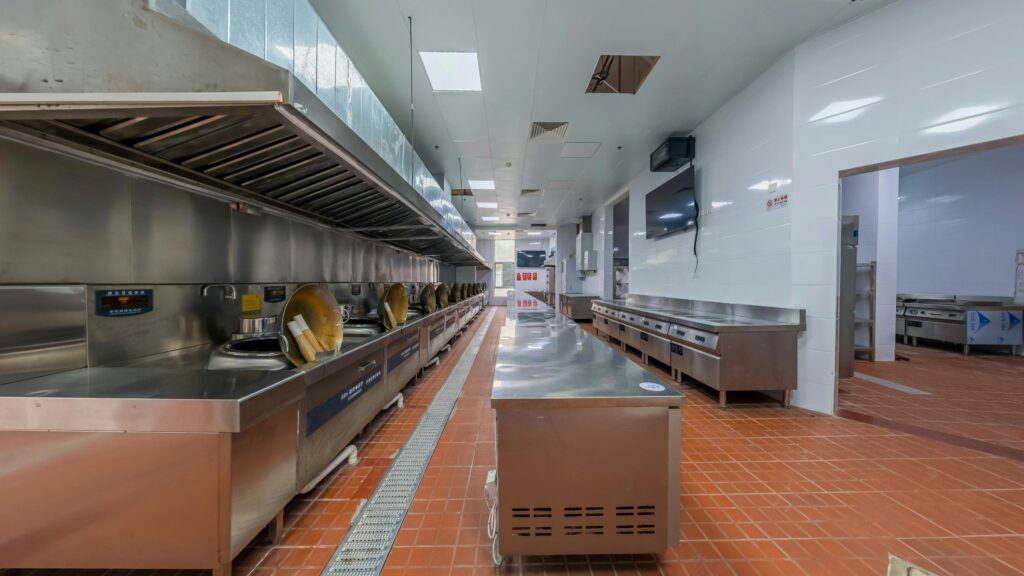
The Importance of Structure and Flow
A well-managed kitchen begins with structure. Every station should have a clear purpose, and every member of staff should understand their role within the broader system. From prep to plating, the journey of each dish must be mapped out in a way that minimises confusion and maximises efficiency.
Flow is critical. Ingredients should move logically from storage to preparation to cooking to service, without unnecessary backtracking or congestion. This is why kitchen layout matters so much. A poorly designed space forces staff to waste time navigating around one another, while a well-designed one allows for almost instinctive movement, where each action feels like part of a rhythm rather than an interruption. Communication is the thread that holds this structure together. Clear, concise calls during service prevent mistakes and reduce stress. Outside of service, regular briefings ensure everyone is aligned on menu changes, stock levels, and expectations.
Hygiene and Cleanliness as Foundations
Cleanliness in a professional kitchen is not optional; it is foundational. Food safety regulations demand strict adherence to hygiene standards, but beyond compliance, a clean kitchen is simply a more efficient and pleasant place to work.
One often overlooked but essential element of this is the role of commercial sinks. Take a look at this guide to commercial sinks by Die-Pat if you are curious about this. These sinks are not just larger versions of domestic sinks; they are designed to handle the constant demands of a professional environment. From washing produce to sanitising equipment, commercial sinks form a central hub of activity. Having the right number, size, and configuration of sinks can significantly reduce bottlenecks during both prep and clean-down periods. Equally important is the discipline of maintaining cleanliness throughout the day. Waiting until the end of service to tackle the mess leads to overwhelm and increases the risk of cross-contamination. Instead, a “clean as you go” approach ensures that the kitchen remains manageable even at peak times.
Stock Management and Organisation
A professional kitchen lives and dies by its stock management. Running out of key ingredients mid-service can derail an entire evening, while over-ordering leads to waste and lost profit. Effective stock management begins with organisation. Ingredients should be stored in clearly labelled containers, arranged logically, and rotated using the first-in, first-out principle. This ensures that older stock is used before newer deliveries, reducing spoilage.
Regular inventory checks are essential. These not only help you track usage patterns but also allow you to identify discrepancies early. Technology can assist here, with digital systems providing real-time insights into stock levels and helping to automate reordering processes. Planning also plays a crucial role. Menus should be designed with seasonality and availability in mind, allowing you to make the most of ingredients at their peak while avoiding reliance on items that may be difficult or expensive to source.
Team Management and Morale
Behind every successful kitchen is a strong team. Managing people in such a high-pressure environment requires both leadership and empathy. Kitchens are known for their intensity, and without careful management, stress can quickly turn into burnout. Setting clear expectations is the first step. Each team member should know what is required of them and how their performance will be evaluated. Training is equally important, ensuring that everyone has the skills and confidence to perform their role effectively.
However, technical competence alone is not enough. Morale plays a significant role in performance. A kitchen where staff feel respected and supported will always outperform one where tension and resentment are allowed to build. Simple actions, such as acknowledging good work, providing opportunities for growth, and fostering a sense of camaraderie, can make a substantial difference. Leadership in a kitchen is not about control but about guidance. The best chefs create an environment where standards are high, but people are not afraid to learn, make mistakes, and improve.
Adapting and Evolving
The hospitality industry is constantly changing, and a successful kitchen must be able to adapt. This might involve updating menus, incorporating new techniques, or responding to shifts in customer preferences. Feedback is a valuable tool in this process. Listening to both customers and staff can provide insights into what is working and what needs improvement. This information should be used not as criticism but as a guide for refinement. Innovation should be encouraged, but it must be balanced with consistency. Guests return not just for new experiences but for the assurance that their favourites will be just as good as they remember.