AD. Food-led travel doesn’t need hype or big statements to work. It’s usually built from small decisions made well: where to eat on a normal Tuesday, which neighbourhoods locals actually use, and how easy it is to move between meals without overthinking the day.
The cities below suit travellers who plan their trips around food but still want variety, downtime, and places that function beyond the plate. These aren’t destinations chasing trends. They’re cities where eating well fits naturally into daily life, whether that’s grabbing something quick between museums or sitting down late because no one’s rushing you out.

Independent Dining and Artisanal Excellence in Birmingham
Birmingham has quietly become one of the UK’s most interesting food cities, partly because it doesn’t rely on a single dining district. Areas like Digbeth and Stirchley feel unpretentious, which works in their favour. You’ll find small bakeries doing limited runs, cafés that roast on-site, and restaurants that change menus weekly depending on supply. The Balti Triangle remains relevant, not as a throwback but as part of daily life, with family-run spots serving food people actually eat midweek, not just on special occasions.
What makes Birmingham a popular choice for a culinary break is how naturally days can be shaped around eating, without it ever feeling forced. The city centre is compact, with galleries and shops close to good lunch options, and evenings don’t require advance planning unless you want them to. With this setup, it’s easy to enjoy dinner bed and breakfast deals in Birmingham. That is also what makes the city appealing: food matters, but it doesn’t take over.
Street Food Markets and Michelin Stars in Hong Kong
There’s no single way to eat in Hong Kong, which is what makes it such a compelling culinary destination. Breakfast might be pineapple buns and milk tea from a cha chaan teng, lunch could be taken standing at a noodle shop, and dinner might involve linen tablecloths and a long wine list. The contrast isn’t staged. It’s just how the city operates. Dai pai dongs are fewer than they used to be, but places like Central and Sheung Wan still offer quick, affordable meals that locals rely on.
What appeals most to visitors is how naturally food fits into the way people move around the city. Markets like Temple Street are great for evening destinations without needing much planning, while higher-end restaurants cluster around areas already easy to reach. Ferries, trams, and the MTR make it possible to eat across neighbourhoods in a single day without feeling rushed. Hong Kong’s reputation for dining is deserved, but what sticks is how normal it all feels once you’re there.
Tradition Meets Innovation: The Vibrant Flavours of Mexico City
Mexico City is a place where food culture shows up everywhere, not just in restaurants people fly in for. Street tacos are part of a daily routine, whether it’s al pastor sliced late at night or slower breakfast options near markets. Neighbourhoods like Roma and Condesa balance that casual eating with more considered dining rooms, often run by chefs who grew up locally and aren’t trying to reinvent everything.
Markets do much of the work here. Mercado de San Juan is worth visiting not because it’s trendy, but because it reveals the depth and variety of ingredients used locally. Visitors rarely need reservations, often finding places to eat by following office workers at lunchtime or families in the evening. Museums and parks are close to a wide range of food options, which makes it easy to structure days loosely.
A Masterclass in Precision: Exploring the Food Culture of Tokyo
Tokyo can feel overwhelming at first, but food is often what makes it navigable. Each neighbourhood has its own speciality. One area might be known for ramen, another for yakitori, and somewhere else for quiet coffee shops. Even casual meals are handled with care, whether it’s a standing soba bar near a station or a tiny counter that seats six.
For visitors, practicality matters. Vending machines outside restaurants remove language barriers, and set menus make ordering straightforward. Tsukiji Outer Market works well for wandering breakfasts, while evenings are easy to fill with izakayas clustered around major stations. Reservations help for special occasions, but everyday eating rarely requires planning. Tokyo’s appeal lies in its consistency, where reliable meals quietly shape the trip experience.
Coastal Freshness and Creative Fusion in Lima
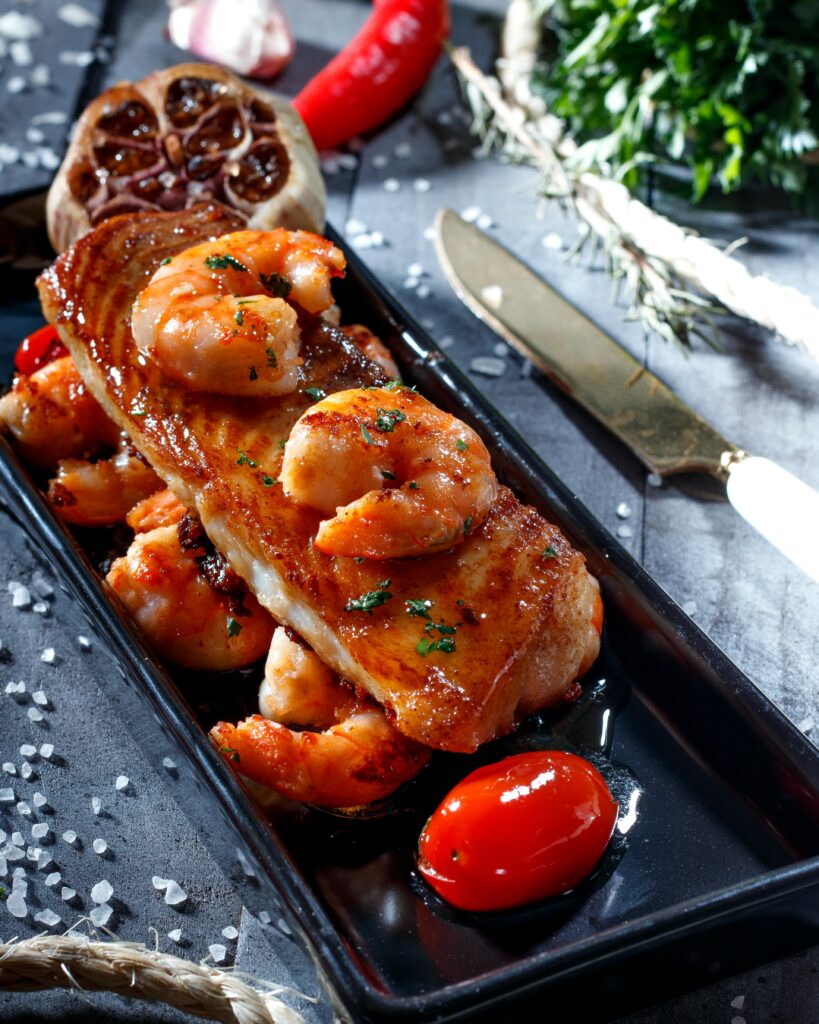
Lima makes sense as a food destination once you spend time eating outside the headline restaurants. Ceviche is the obvious starting point, best eaten earlier in the day when the fish is at its freshest. Neighbourhoods like Miraflores and Barranco offer plenty of casual spots alongside more refined choices, often with the best sea views.
What stands out is how fusion is often the norm here. Nikkei cuisine blends Japanese techniques with Peruvian ingredients in a way that’s become part of the city’s identity rather than a novelty. Markets, bakeries, and lunch counters fill the gaps between bigger meals, which makes days easy to pace. Lima suits travellers who want structure without rigidity. You can plan a standout dinner and still eat well everywhere else without much effort.
Ready to Discover the Hidden Gems of your Next Favourite City?
Culinary travel works best when it fits into a city that already functions well. The places above don’t ask visitors to plan every meal in advance or arrive armed with insider knowledge. Getting around is straightforward, neighbourhoods are easy to explore on foot, and good food shows up as part of daily life rather than something reserved for special occasions.
Whether it’s Birmingham’s steady buzz, Hong Kong’s sheer range, or Lima’s low-key confidence, these cities reward people who are willing to follow their instincts and give themselves time. They suit travellers who care about what they eat but don’t want food to dominate every decision. The lasting appeal is simple: eating well feels natural and unforced, which is often what stays with people long after the details of the trip fade.