ADPR. Choosing durable footwear for kids can feel like a never ending task. Children move fast, grow fast, and often wear through shoes faster than you can keep up. A good pair needs to handle everything from school days, sports clubs, playdates, and of course the great British weather.
With the right know-how, finding long lasting shoes becomes so much easier. This guide will help you choose footwear that can keep up with active children while keeping their feet happy and healthy.
What Makes Kids Footwear Durable?
Before diving into different shoe types, it helps to know what true durability looks like. Sturdy shoes share a few key features.
- A strong, grippy outsole makes all the difference, especially on mixed surfaces. Look for high quality rubber as it lasts longer and provides better traction.
- Reinforced stitching is another must. Glued seams often split early, but proper stitching offers better long term strength.
- Good quality midsoles support growing feet and protect them from impact.
- A reinforced toe area adds extra protection as kids often drag or scuff the front of their shoes.
- Breathable but tough uppers help keep feet comfortable while resisting tears.
When these elements come together, shoes last far longer and stay comfortable for your kids throughout their life.
Choosing the Right Materials
Materials make a huge difference to durability.
- Leather is flexible, breathable, and naturally strong.
- Synthetic materials can be very tough and often cost less. They also usually come in brighter colours too which children love.
- Knit or mesh fabrics offer great breathability but should have reinforced sections to prevent tearing.
- Waterproof fabrics help in wet weather but can reduce breathability, so choose wisely based on how the shoes will be used.
Fit and Foot Health
A good fit is essential for comfort and long lasting wear. Shoes that are too big will slip and wear out early. Shoes that are too small will cause discomfort and may damage growing feet.
Measure both feet regularly because one is probably slightly bigger than the other.
Allow some room at the toes, but not too much. The heel should sit securely without lifting. A secure midfoot helps prevent rubbing, especially during active play.
When to Replace Kids’ Shoes
Even the best shoes will eventually wear out. Worn tread is one of the first signs that it’s time to replace your shoes. If the sole becomes smooth, it won’t grip properly. Holes in the upper or frayed straps also means that the shoes have reached the end of their life. If your child starts complaining about discomfort, it may be due to flattened cushioning. Another warning sign is toes touching the front of the shoe.
Sustainability and Value for Money
Choosing durable shoes is more sustainable because longer lasting footwear means less waste. Some parents pass down shoes, although this only works of course when the shoes still hold their shape and haven’t moulded to another child’s foot. High quality footwear may cost a little bit more upfront, but it often saves money in the long run.
How to Pick Durable Footwear for Kids
How to Pick Durable Trainers for Kids
Trainers are often the hardest working shoes in a child’s wardrobe. When choosing girls trainers, think about cushioning, flexibility, and breathable materials. A flexible forefoot helps children run and jump naturally. Strong stitching and a robust toe area will help the shoes withstand playground adventures.
When choosing boys trainers, look for models with reinforced mesh or leather uppers. These tend to handle rougher play that bit better. A cushioned midsole gives comfort during long days on their feet. Grippy soles also help on wet pavements and school hall floors.
If you pick trainers with solid construction and supportive design, they’ll last far longer than cheaper, lightweight styles.
Football Boots Kids Can Rely On
Sports footwear needs different features. When buying football boots kids will use regularly, focus on strong uppers that resist abrasion. Studs should match the type of pitch your child plays on. Firm-ground studs suit most grass pitches, while moulded or astro studs work best on artificial surfaces.
A durable boot not only lasts longer but also boosts performance and confidence on the pitch.
Walking Boots and Outdoor Footwear
Walking boots are perfect for children who love the outdoors. They offer strong support for ankles and excellent grip on uneven paths.
Waterproof membranes will help keep feet dry during rainy walks or school trips. Look for cushioned insoles and tough fabric or leather uppers.
A well built walking boot can survive muddy fields, rocky trails, and weekend adventures with ease.
How to Pick Durable Sandals for Summer Adventures
Sandals are perfect for warmer weather. Yet not all sandals are created equal! Durable sandals have strong straps that don’t stretch or fray. Look for a supportive footbed that keeps feet comfortable during long days outside. Closed toe designs help protect little toes during energetic play. Look for quick dry materials too, because summer usually means water play.
[Photo by cottonbro studio]
Wellington Boots for Wet Days
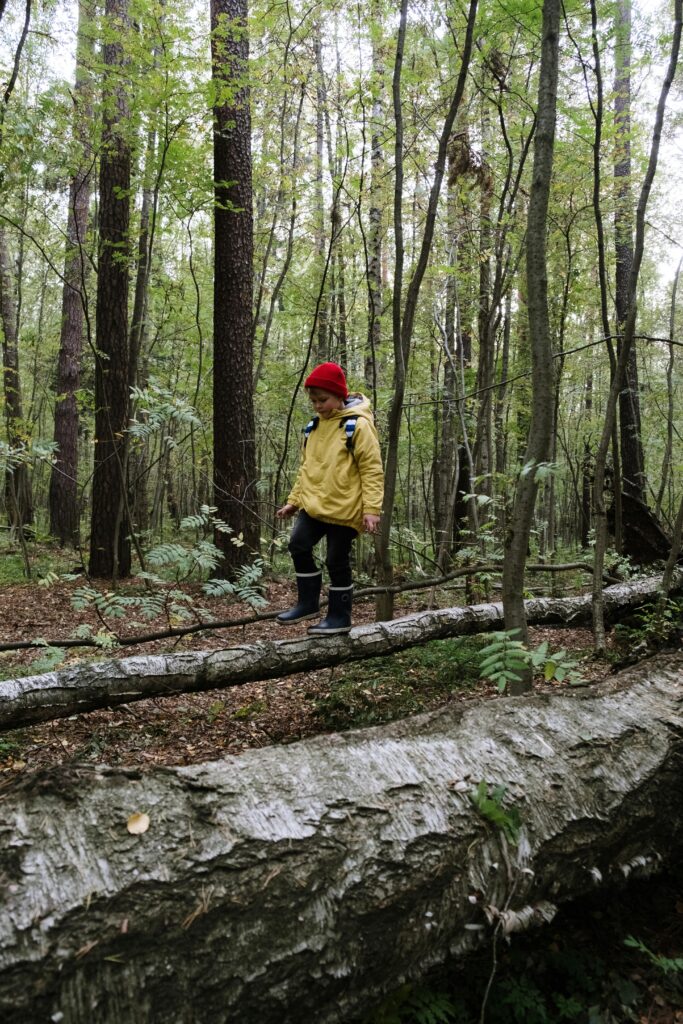
Wellies are essential for British winters, spring showers, and usually in summer time too! Choose wellies made from thick, flexible rubber, as thin rubber tends to crack in cold weather. Deep tread helps stop children slipping in mud or on wet grass. Some boots have warm linings, which are perfect for winter. Check the fit carefully because loose wellies can rub and cause blisters.
School Shoes: Everyday Durability
School shoes deserve attention because they’re worn for long periods of time during the week. Leather is usually the most durable and breathable choice. Coated synthetics can be tough too, but they may feel less flexible, which maybe isn’t as ideal.
Strong soles and reinforced toes help school shoes survive playground games. Lace-up styles offer great support for little ankles. Velcro or buckle fastenings work well for younger children who need independence.
To Conclude
Picking durable footwear for kids doesn’t need to be complicated. When you know what to look for, the choice becomes much clearer. Focus on strong materials, good construction, and the right fit. Think about how and where the shoes will be worn. With the right pair, your child will stay comfortable, confident, and ready for every adventure that comes their way.