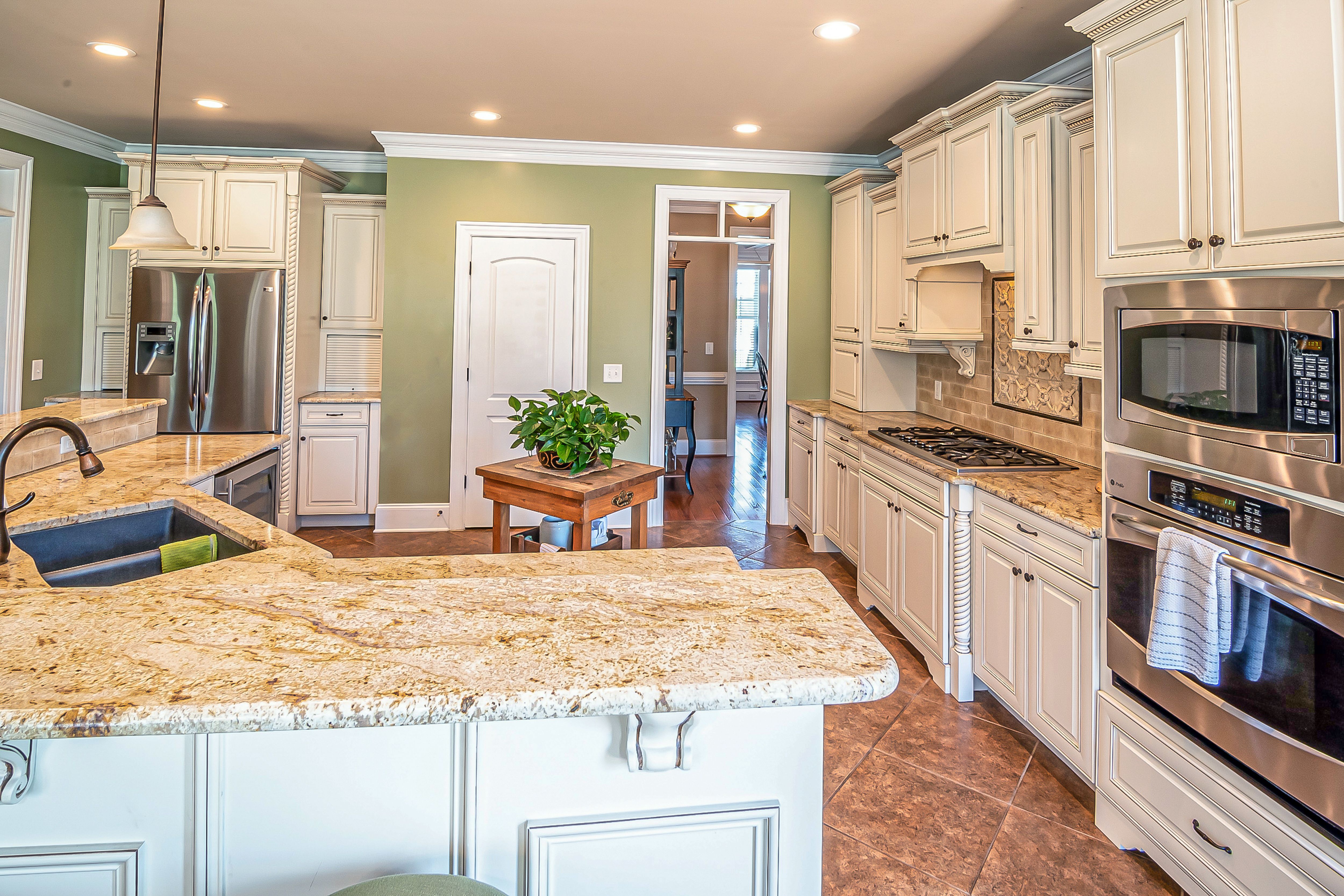
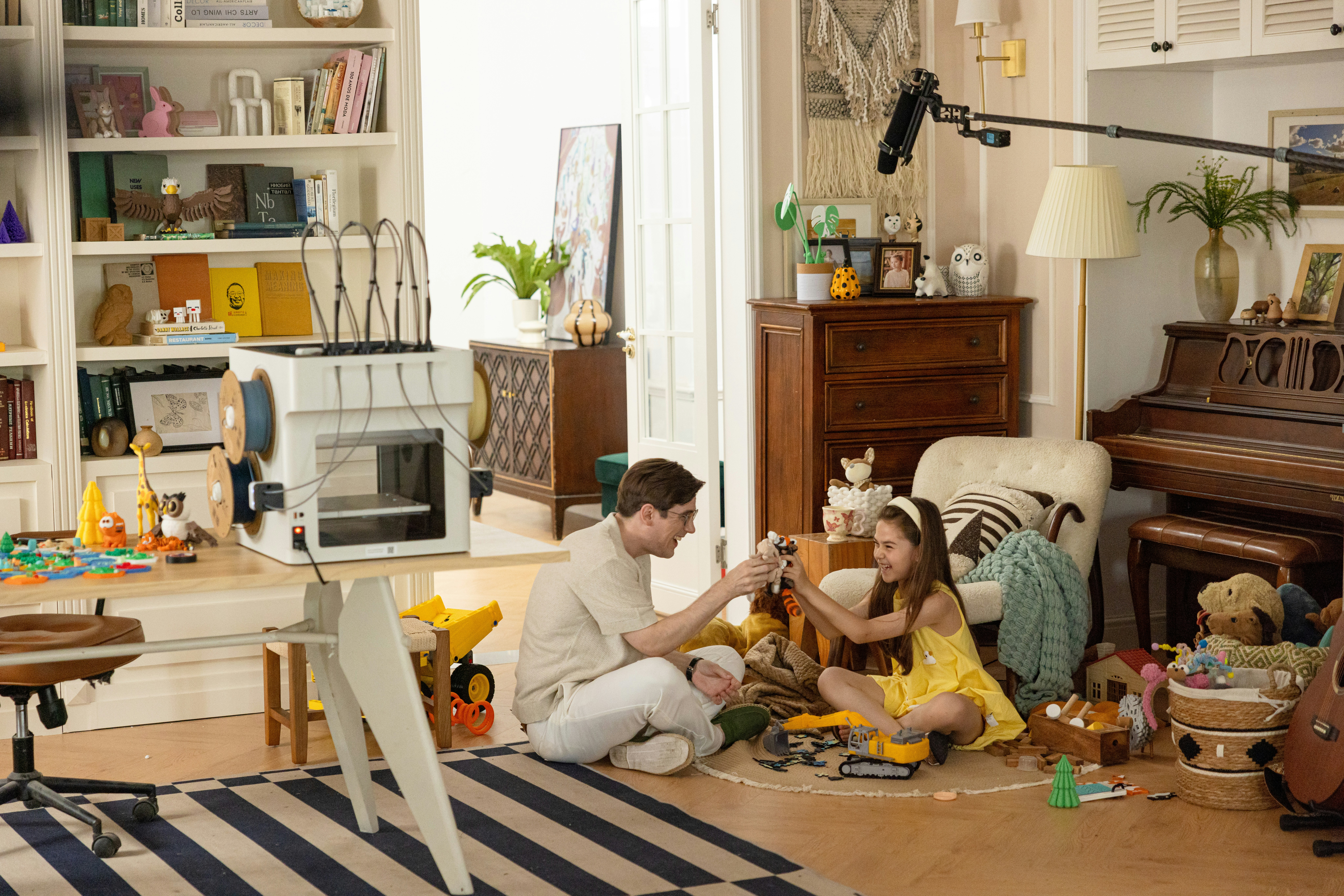
When you’re starting a family, one of the first things you realise is how quickly space just disappears. You’ll find that what was once a pretty spacious room feels cramped because of all the new things you need (not to mention new people). You’ll turn a spare room into a nursery, the living room becomes a play area, and your hallways gets lost under piles of shoes and coats and outdoor toys. But living in a smaller home doesn’t mean you have to feel squeezed, and it is possible to make every inch count, so keep reading to find out more.
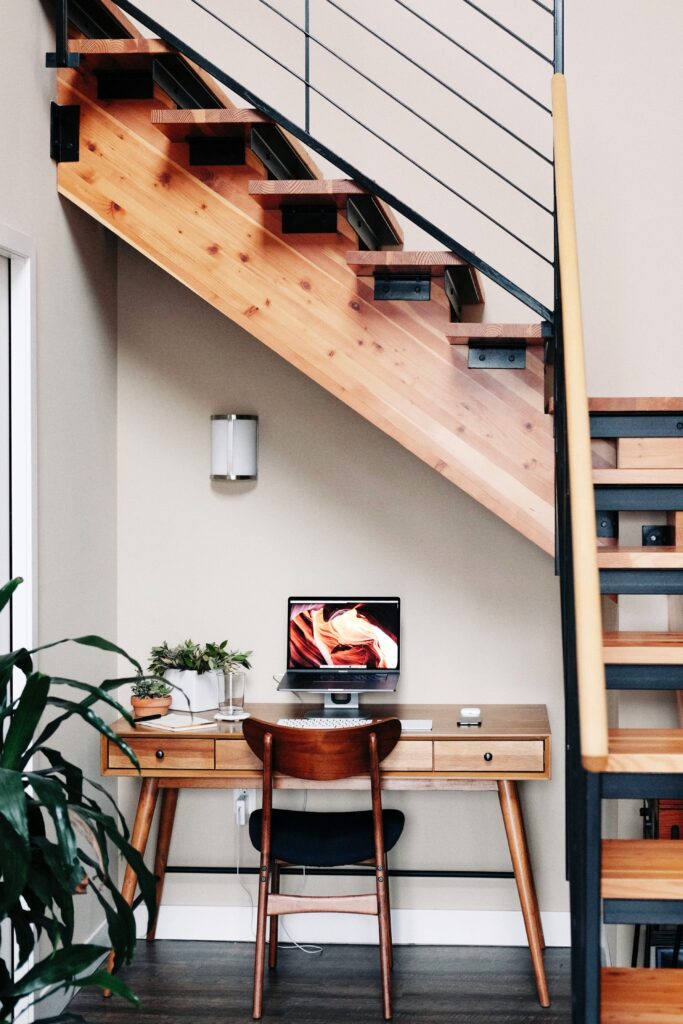
[Photo by Conor Sexton on Unsplash]
How to Most of Small Spaces
Start With What You Actually Use
When you’re working all this out, the first step is to actually be honest with yourself about what you really need. The truth is that families naturally do gather lots of stuff over time, and not all of it’s going to be totally essential, so it’s worth going through each room and thinking about what should and shouldn’t be there in a perfect world. It might be useful to ask yourself if you’ve used something in a few months, and if the answer’s no, it’s probably not needed anymore.
You don’t have to throw everything out, but you do need to keep the space practical and functional, so it’s a good idea to declutter at least a little bit. And when you have kids, it’s always worth giving yourself as much space as possible.
Choose Furniture That Helps
When you don’t have a lot of space, furniture really should do more than one job if possible. It’s definitely going to help. So when you want to buy things, look for pieces that can change and adapt as your family grows. A small baby crib, for example, is ideal in the early months, and it’s sure to fit neatly into your bedroom or nursery while you make space for a toddler bed later on.
Other good options include extending dining tables, sofas with hidden storage, ottomans that double as toy boxes, and so on. Basically, if something can serve two purposes without taking up more room, it’s a good thing to have.
Rethink How You Use Each Room
In a smaller home, rooms can’t always just have one purpose, or you’ll just end up running out of space. That’s why the living room might also have to be a playroom, or why the dining room is often an office as well, and so on - and if that’s how it has to be, go with it and make it work to your advantage.
The best option is to use lightweight, flexible furniture so you can move it around if you need to, plus things like dividers, rugs, and storage units can all help create a bit more order and space. And even smaller changes, like keeping kids’ toys in attractive baskets rather than plastic bins, for example, helps make these shared spaces a bit nicer.
Make Use Of Vertical Space
When floor space runs out, don’t panic. Look up instead. The reality is that vertical storage is one of the easiest and most effective ways to free up room, and wall shelves, hanging organisers, and tall bookshelves are all fantastic ways to keep essentials within reach without adding clutter to any surfaces.
In children’s rooms, vertical storage can make a massive difference. Toys, books, and clothes all have a way of magically multiplying, but shelves can help keep them contained while still easy for little hands to access. Just make sure anything that’s fixed to the wall is sturdy and child-safe, of course.
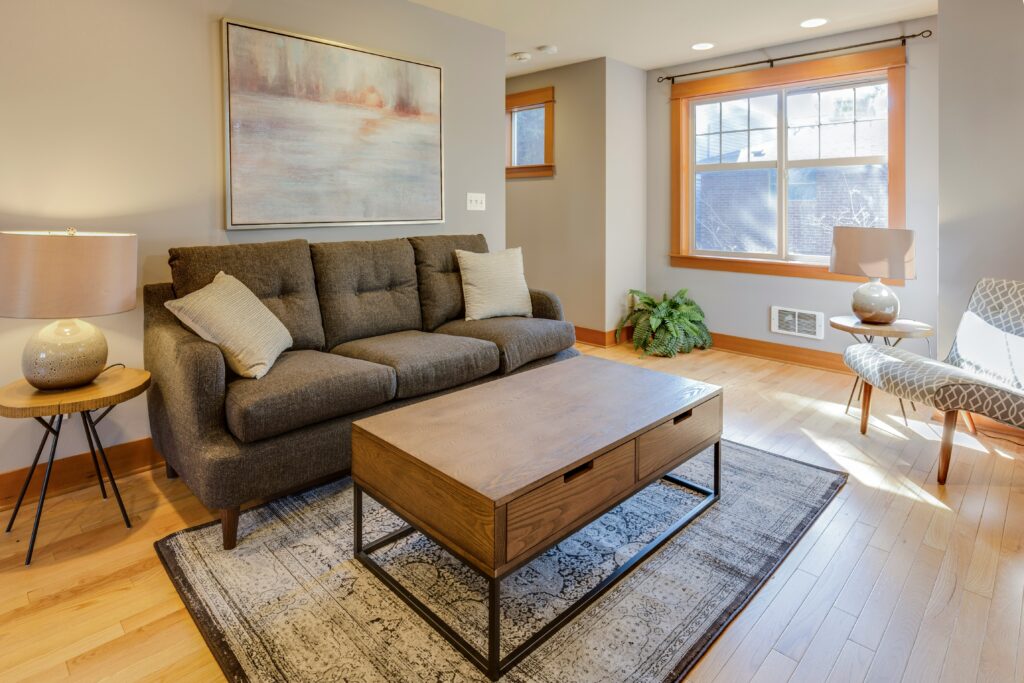
[Photo by Francesca Tosolini on Unsplash]
Keep Things Flexible
Family life changes constantly. A baby becomes a toddler, then a school-aged child, then before you know it, they’re a teenager, and that means your home has to be able to change too, but without needing a complete redesign or any major works done, in an ideal world.
What can help here is if you think about how your furniture could turn into other things, like a changing table becoming a dresser, for example, or a desk being used for both home admin and homework, and so on. The point is, if you pick flexible designs from the start, you’ll save both money and stress later on.
Something else that’s worth doing is keeping your decor light and natural, and have pale walls, open shelves, and simple layouts, because that all makes it a lot easier to adjust as your family grows. And you can always add colour and character through other things like kids’ art, cushions, and photos, for example.
Storage That Fits Around You
Storage doesn’t have to mean bulky cupboards or giant wardrobes, and in a small home, what you actually need to be able to do is fit solutions into small gaps. Literally. So that could include under-bed drawers, hanging organisers on doors, or even built-in window benches, for example.
One great trick is to make storage part of your design, with matching boxes or baskets (which look tidy even when they’re full), hooks by the front door (to save floor space), and foldable laundry hampers (that won’t be in the way), and so on. And remember, storage doesn’t have to be hidden. A few open shelves displaying neatly stacked items can look great, not cluttered, if you keep on top of things.
Final Thoughts
In the end, making the most of a small space with a growing family shouldn’t ever be stressful when there are so many options available to make it work. As long as the home you create is comfortable, welcoming, and, of course, practical, then whatever you decide to do is the right move to make.
The truth is, even the smallest rooms can grow with your family, no matter how many of you there are or what ages you are. So if you’re having trouble and feeling stressed about it all, take a moment to step back and think about things from a distance, and you’ll soon see there are at least a few positive moves you can make.