AD. 8:15am outside the school gates. Absolute chaos. Cars everywhere, engines running, parents looking properly stressed, kids running late because someone couldn't find their PE kit. Again. Sound familiar? Course it does. We've all been there, sitting in traffic, watching the clock, knowing you're going to be late for work because the school run took twice as long as it should have. But here's what's happening - more mums are ditching the car chaos for bikes. Not because we're trying to be environmental warriors (though that's a nice bonus), but because it's actually easier. Less stressful. More reliable. Bobbin Bikes has noticed this trend too - their women's bikes are designed for real life, not just weekend leisure rides. And their kids' bikes mean children can cycle to school themselves, building independence while saving your sanity.
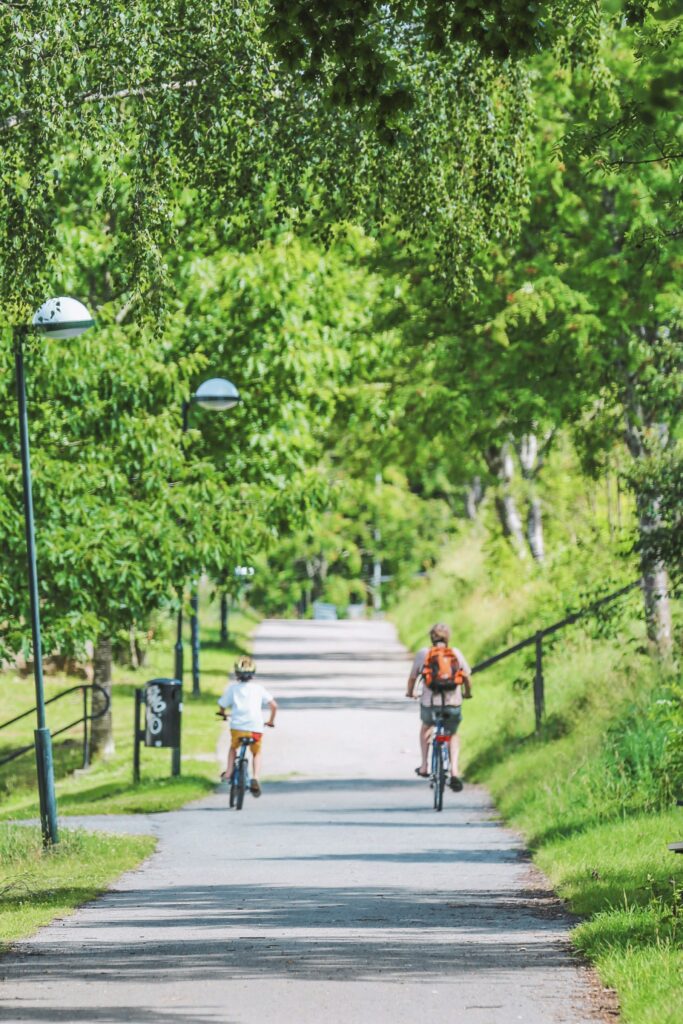
Why Cycling Actually Makes Sense
Time savings sound mad when you're talking about cycling versus driving, but hear me out. No sitting in traffic jams. No circling the block looking for parking. No waiting for the car to warm up on cold mornings.
Direct route to school, park the bike, job done. Door to door, cycling often takes the same time as driving, sometimes less. Plus you've done your exercise for the day, so no guilt about skipping the gym.
Money side of things adds up quickly. No fuel for school runs, no parking fees, minimal maintenance compared to running a car. Decent bike pays for itself within months when you factor in fuel costs alone.
Health benefits are obvious but worth mentioning. Twenty minutes cycling twice daily is proper exercise. Not marathon-level fitness, but consistent movement that fits into your existing routine. Fresh air instead of car fumes, natural light instead of sitting in traffic.
Environmental bit feels good too. Every car journey you replace with cycling reduces emissions around schools. Kids notice these things - you're showing them there are alternatives to just jumping in the car for everything.
Safety Stuff (Because That's What Everyone Asks About)
Route planning makes all the difference. Avoid main roads where possible - residential streets are safer and more pleasant. Many areas have cycle lanes or paths that bypass traffic completely.
Proper helmets for everyone, bright clothing, lights for darker mornings. Reflective bits help too, especially winter months when it's still dark at school time.
Cycling with kids in traffic needs specific techniques. Stay behind them where you can see what they're doing, use clear hand signals, practice routes during quieter times before attempting them in rush hour.
Build confidence gradually. Start with very short distances on quiet roads, extend routes as everyone gets more comfortable. Don't rush this - better to take weeks building confidence than have one scary experience that puts everyone off.
Consider cycle training. Many councils offer free courses covering urban cycling skills, traffic awareness, basic maintenance. Confidence comes from knowing what you're doing.
Building A Cycling Community
Other parents notice when you arrive calmly on bikes while they're stressed from traffic. Some ask questions, others might try it themselves. Not saying you need to evangelize, but example speaks louder than lectures.
Schools can help by providing secure bike storage, organizing maintenance sessions, maybe group rides for families. When cycling becomes normal rather than unusual, more people try it.
Connecting with other cycling families creates support networks. Shared school runs, weekend rides, help with bike problems - these relationships often become genuine friendships.
Kids see cycling as normal when other children do it too. Peer influence works both ways - if cycling's seen as cool rather than weird, more children want to try it.
Getting Over The Mental Barriers (Because They're Mostly In Your Head)
Weather's the biggest excuse. Reality check: you're not cycling to the North Pole. Waterproof jacket handles most rain. Warm clothing deals with cold. Extreme weather days are rare - you can always drive occasionally.
Safety concerns are valid but often overblown. Cycling isn't inherently dangerous when done sensibly. Proper equipment, route planning, gradual skill building create safe habits. Health benefits of regular exercise outweigh small risks.
Logistics seem complicated initially but become routine quickly. Where to store bikes, carrying school bags, dealing with sports equipment - these challenges have practical solutions. Panniers, baskets, cargo bikes handle most needs.
Time worries usually prove wrong. Door-to-door cycling times often similar to driving when you factor in parking and walking from car parks. Plus you've exercised, so no separate gym time needed.
Fitness concerns are common but unnecessary. School run distances are typically short - most people can manage a mile or two. Fitness improves quickly with regular cycling anyway.
Start one day a week, see how it goes. Build up gradually as it becomes routine. Don't try to revolutionize your entire transport system overnight - that's how you give up when challenges arise.
The transformation from "cycling sounds terrible" to "looking forward to the school run" happens faster than you'd expect. Suddenly you're checking weather with curiosity rather than dread, planning new routes for variety, wondering why you spent years stressed about things you couldn't control.