There is no denying that the retail landscape has transformed over recent years; this has been changed by a shift in consumer expectations and the growth of online shopping. While digital stores do offer people convenience and endless options, traditional brick-and-mortar stores still hold an essential part of the retail ecosystem. It does mean that physical retail stores need to embrace technology and evolve their spaces so that they have the best of both a physical store and a digital store. Let's have a look at how retail stores are changing so that they can work well in a digital world below.
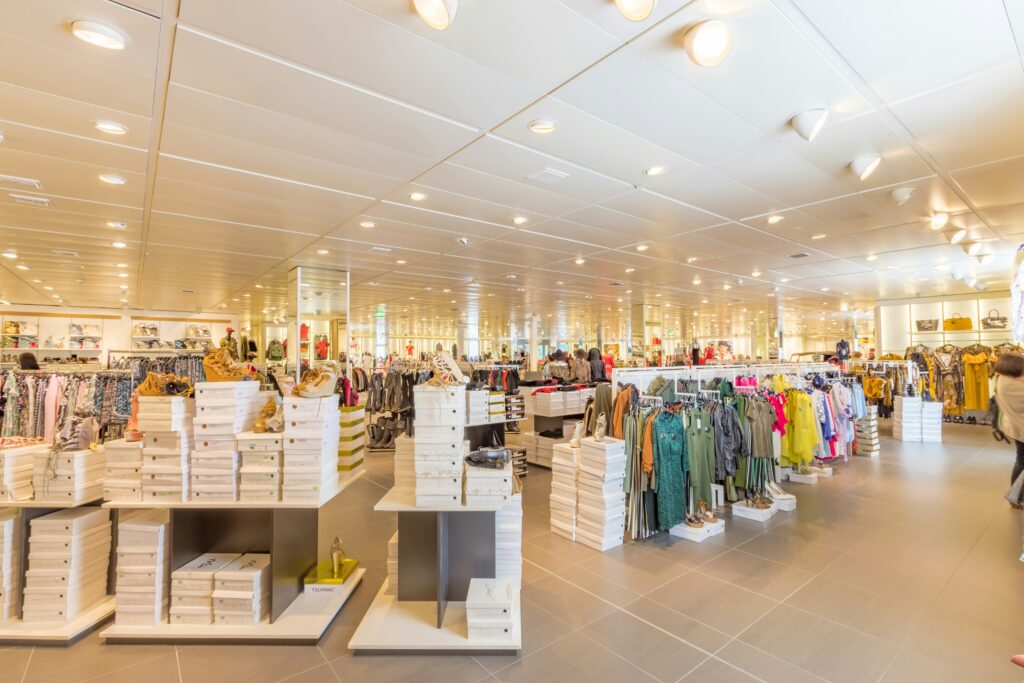
[Photo by Alexander Faé on Unsplash]
Improving Customer Experience
Shoppers of today expect to have personalised experiences that are really smooth, similar to what they would receive from shopping online. Brick-and-mortar stores are changing by using technology to improve their customer experience. They now have advanced point-of-sale systems that give retailers the tools that they need to provide personal interactions and streamline checkout processes. For example, modern POS systems designed specifically for clothing stores, like this POS for clothing stores, enable retailers to quickly access customers' purchase history and auto-recommend complementary items for what they are buying.
Using Omnichannel Strategies
Retail success now only works when you have an omnichannel approach. Businesses need to be able to provide brick-and-mortar stores as well as online experiences. Whether they are shopping online or in-store, or through a mobile device, customers should be able to receive a consistent interaction. Physical stores are now starting to integrate digital touch points such as easy in-store returns for online purchases, click-and-collect services, and interactive digital displays. POS systems facilitate these seamless integrations, which means that retailers can accurately control their inventory across multiple channels, such as online and in-store.
Streamlining Inventory Management
Effective inventory management is important when it comes to looking after your profits as well as customer satisfaction. When you have the right POS technology, brick-and-mortar stores are able to monitor their inventory levels in real time and also automate ordering processes. This means that they are able to identify high-performing products as well as keep stock levels at a minimum to be able to provide for their customers. This will help to end the issues of overstocks or stockouts and reduce costs as well as boost customer confidence.
Better Efficiency
Retailers are continuously looking for ways to improve efficiency and reduce their operational costs. Using advanced POS systems, they can do this by automating routine tasks such as reporting sales, tracking, and even scheduling employees. By automating these types of processes, it means that staff have more dedicated time to look after their customers and improve stores.
Embracing the Future
The future of brick-and-mortar retail depends on its ability to be able to change and embrace the digital world, as well as looking after its physical store. Leveraging POS systems and using other technological solutions will help traditional retail stores to compete and thrive alongside their online counterparts. The combination of human interaction and digital convenience means that you can give your customers the best shopping environment and allow them to choose which one is best for them.