AD. When your hot water system falters, it’s tempting to patch it up and hope for the best. But at some point, the decision to replace or buy a new unit becomes unavoidable. Whether you’re dealing with inconsistent heating, rising energy bills, or a complete breakdown, knowing when to act can save you time, money, and stress. For urgent solutions, you might consider a Same Day Hot Water Service to restore comfort in no time.
In this blog, we’ll explore the key signs to watch for, compare repair versus replacement costs, and guide you toward the best decision for your household.
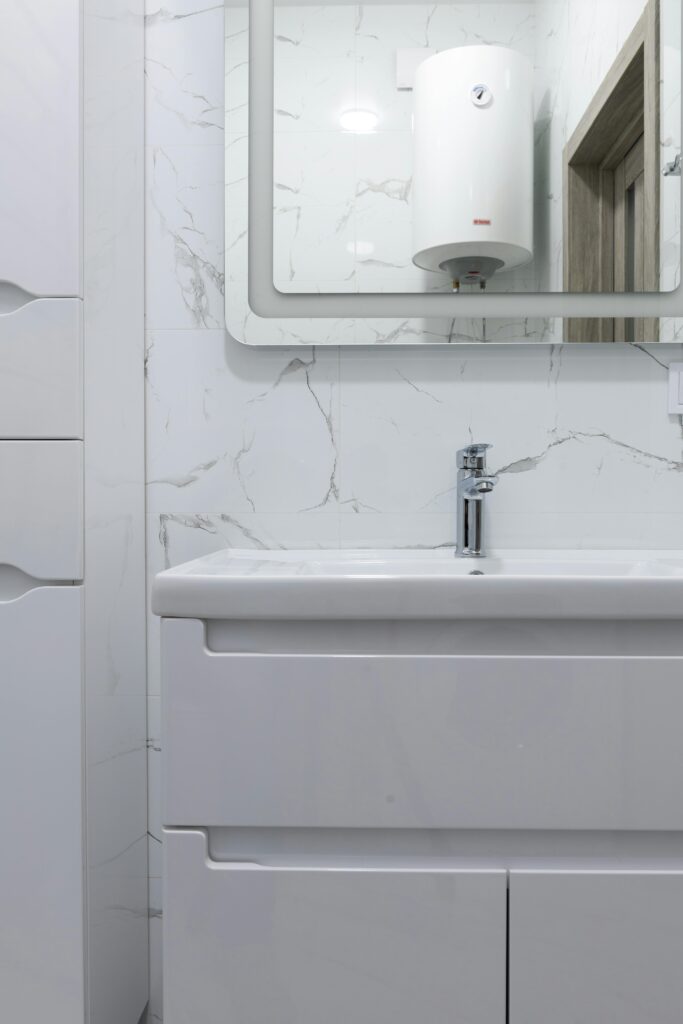
[Photo by Max Vakhtbovycn]
Understanding Your Hot Water System’s Lifespan
Hot water systems aren’t built to last forever. Depending on the type and maintenance routine, most systems have a lifespan of:
- Gas systems: 8–12 years
- Electric systems: 10–15 years
- Solar systems: 15–20 years
- Heat pump systems: 10–15 years
If your system is nearing or surpassing its expected lifespan, investing in a new model might be more cost-effective than frequent repairs.
Signs Your Hot Water System Needs Attention
Before making a decision, identify whether your system exhibits the following warning signs:
- Fluctuating water temperature: If your showers alternate between freezing and scalding, your system’s heating element may be failing.
- Discolored or rusty water: Corroded tanks or pipes can lead to unpleasant-tasting, discolored water.
- Leaking or pooling water: Even minor leaks indicate structural issues that could worsen over time.
- Unusual noises: Gurgling, popping, or rumbling sounds often signal sediment buildup.
These symptoms may indicate a failing system that needs immediate assessment.
Repair vs. Replace: Factors to Consider
Repairing Your System
- Pros:
- Lower initial cost
- Quick resolution for minor issues
- Useful if the system is relatively new
- Cons:
- Frequent repairs can add up
- May not address underlying inefficiencies
Replacing Your System
- Pros:
- Improved energy efficiency
- Long-term savings on repairs and utilities
- Access to modern, eco-friendly technology
- Cons:
- Higher upfront cost
- Requires research and planning
When repair costs approach or exceed 50% of the price of a new unit, replacement is usually the smarter choice. You can discover more about replacement v's buying new hot water systems before you take a final decision.

[Photo by Sora Shimazaki]
Choosing the Right Replacement Hot Water System
Energy Source
Consider your current energy setup and whether an alternative system could save money. Options include gas, electric, solar, and hybrid models.
Capacity
A household of four will typically require a system with a larger capacity compared to a single-person home. Assess your family’s water usage before deciding.
Efficiency and Sustainability
Modern hot water systems are designed with energy efficiency in mind. Look for systems with a high energy star rating or sustainable options like solar panels.
Why Timely Replacement Matters
Delaying the replacement of a failing hot water system can lead to:
- Increased utility bills due to inefficient operation
- Higher repair costs over time
- Inconveniences like unexpected breakdowns
Proactive upgrades ensure a steady supply of hot water while minimizing expenses in the long run.
Conclusion
Deciding whether to replace or buy a new hot water system involves evaluating the condition of your current setup, repair costs, and long-term savings. For immediate assistance, a Same Day Hot Water Service can provide a hassle-free solution while you weigh your options.
Investing in a new hot water system not only enhances your comfort but also boosts energy efficiency and reduces costs. Act now to ensure your household stays warm and worry-free!