Understanding Construction Noise
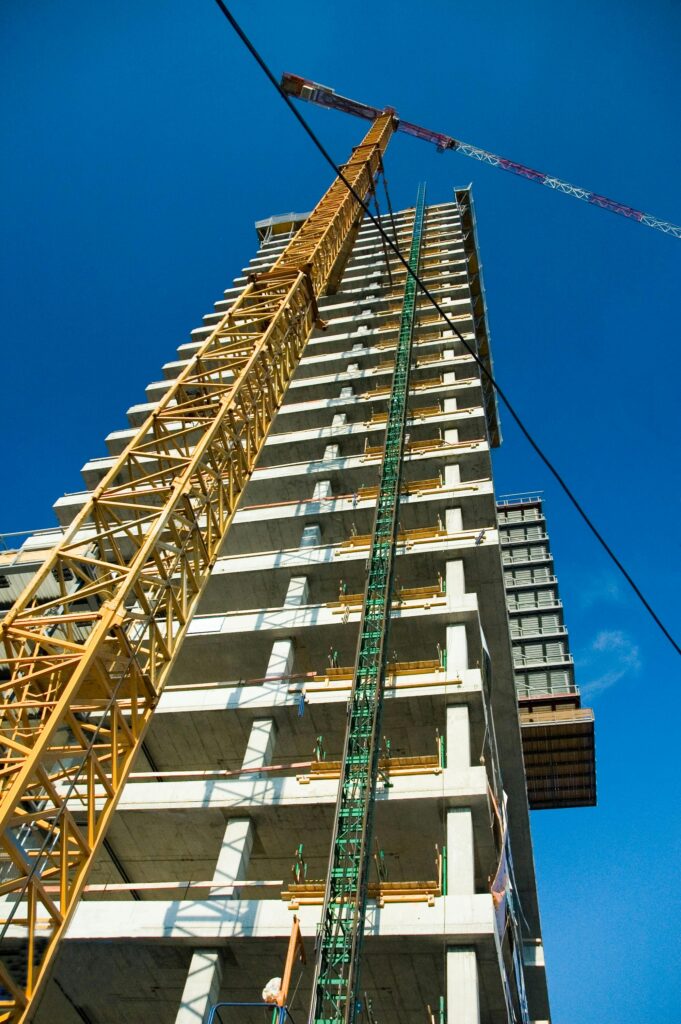
AD. Construction noise affects both people and the environment. It involves loud activities from equipment and tools that can cause hearing loss and disturb communities. Regulations aim to control these noises, reducing their impact.
[Photo by Maroš Markovič]
Effects of Noise on Health and Environment
Construction noise can reach high levels, sometimes over 100 decibels. Such intense sounds can harm your ears, leading to noise-induced hearing loss. Long-term exposure might even affect mental health, causing stress or anxiety.
Environmental noise doesn't just impact you. It affects wildlife too. Loud sounds can disrupt natural habitats, affecting biodiversity. Birds and other animals might find it hard to communicate or find food, leading to bigger ecological impacts.
Regulatory Framework for Noise Control
Governments have set rules to help manage construction noise. These regulations dictate acceptable noise levels and aim to protect public health and the environment. Following these rules helps reduce noise pollution and its harmful effects.
Getting the community involved is important. Public involvement ensures that the concerns of those affected are heard, creating solutions that balance construction needs with community welfare. This collaborative approach leads to effective noise control strategies.
Identifying Noise Sources
When working on construction sites, identifying where noise comes from is essential. By pinpointing the specific equipment and activities that create noise, you can take steps to control it and protect workers and the surrounding community.
Equipment and Activities Contributing to Noise
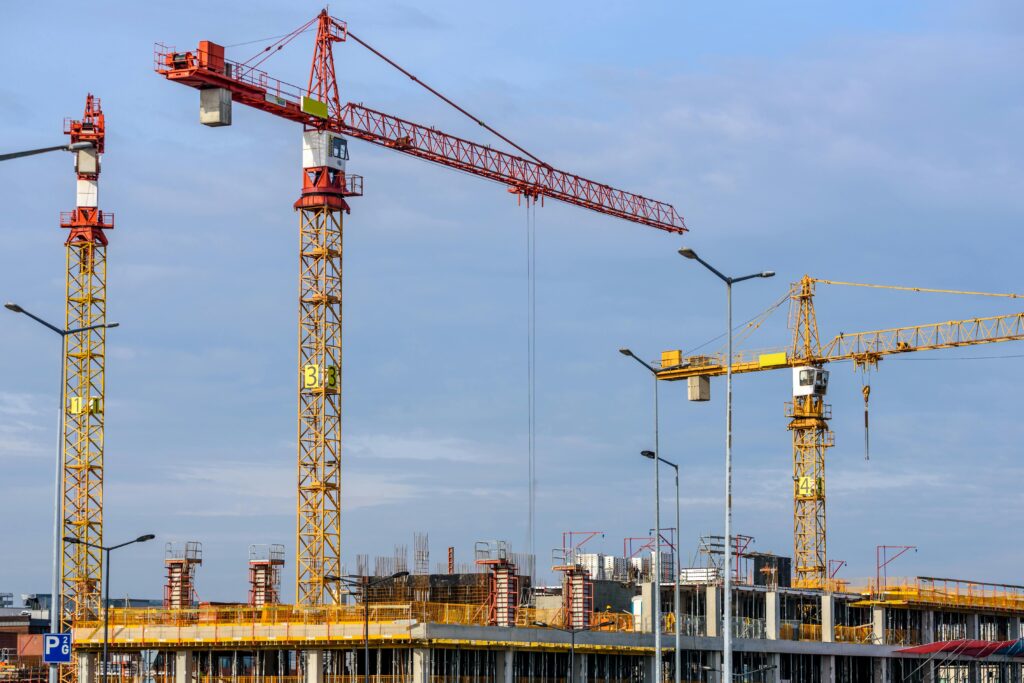
Construction sites are full of heavy machinery and power tools that contribute significantly to noise. These can include excavators, bulldozers, and cranes. Each piece of equipment has unique noise levels that need monitoring.
Noisy activities, such as hammering, drilling, or sawing, are also culprits of construction noise. These tasks can produce continuous noise, making it difficult for workers to communicate or focus.
Traffic noise from vehicles entering and exiting the site adds to the overall noise intensity. Identifying these sources helps in choosing more effective low-noise machinery and planning quieter construction operations. By doing this, you can address the noise at its source.
Noise Measurement and Assessment
Understanding how to measure and assess noise from construction equipment is essential to minimize its impact on workers and nearby residents. Utilizing the right tools and methods helps in evaluating the noise levels effectively.
Tools for Measuring Noise Levels
To measure noise levels, you'll need precise tools. One common device is a sound level meter, which measures noise in decibels (dB). These meters can display A-weighted sound levels, making it easier to assess human hearing impact. Using a dosimeter helps gauge noise exposure over time for workers.
Consider both mobile and stationary equipment. Mobile apps can provide quick readings, while more accurate measurements might require professional-grade tools. It’s crucial to measure noise at various positions around the equipment to get a full picture.
Assessing the Impact of Noise
Assessing noise impact involves understanding how it affects people and surroundings. Start by examining background noise levels to see how much additional noise the equipment adds. This involves capturing levels before and during construction work.
Focus on areas where noise is most disruptive. Use sound-absorbing materials to minimize impact. An effective assessment will predict how noise varies throughout a project. This helps in creating strategies to manage and mitigate the effects, ensuring safety and comfort for everyone involved.
Noise Control Strategies
Reducing noise from construction equipment involves a mix of controls and personal protection measures. These strategies aim to minimize noise at the source, manage exposure, and protect workers from harmful levels of sound.
Engineering and Administrative Controls
Engineering controls focus on changing or removing the noise source. Use low-noise tools and noise control technology to reduce sound. Temporary solutions like noise barriers and temporary shielding can block sound travel.
Improving the building envelope also helps by sealing gaps where noise escapes. Noise criteria limits should be set to guide the acceptable noise levels.
Administrative controls manage how workers interact with noise. Rotate tasks to limit each worker's noise exposure time. Keep a log of noise levels from different equipment and locations to track and adjust work practices. Distance can help, too—every time you double the space between workers and noise, the sound decreases by 6 dBA.
Personal Protection and Mitigation Techniques
When engineering and administrative controls are not enough, personal protection offers another layer of safety. Earplugs and noise-cancelling earmuffs reduce the noise reaching your ears.
Train workers on the importance of wearing these protective gear consistently. Frequent breaks from noisy environments can also help as they lower the risk of hearing damage. For added comfort, create quiet zones where workers can rest and recover from the continuous noise.
Using these strategies, you not only improve the work environment but also contribute to the overall health and efficiency of your team.
[Photo by AS Photography]
Protecting the Construction Workforce
In the construction industry, protecting workers from hazardous noise is crucial. You'll find hearing protection and safety protocols vital, along with the importance of educating workers on noise risks.
Hearing Protection and Safety Protocols
Ensuring your safety at the worksite involves using proper hearing protection devices. These include earplugs or earmuffs designed to reduce harmful noise exposure. It's important to use personal protective equipment (PPE) consistently while working with loud machinery or power tools.
Evaluating the noise levels and choosing less noisy equipment when possible is a practical design option. Integrating noise control measures into contract specifications can help reduce noise pollution from the outset.
Regular noise management plans and protocols are essential to address noise-related disputes and ensure compliance with the Control of Noise at Work Regulations 2005. Project coordination should also consider noise attenuation measures to safeguard worker safety from loud environments.
Educating Workers on Noise Risks
Education plays a pivotal role in occupational noise management. Understanding risks like tinnitus and potential hearing loss increases the likelihood of worker safety adherence.
Workshops and training sessions can alert you to the dangers of prolonged noise exposure and the importance of using hearing protection effectively. Clear guidance on how to apply project coordination strategies to minimize noise can be valuable.
Emphasizing real-life scenarios and interactive learning methods can enhance awareness. The aim is to ensure you know how to protect yourself and reduce occupational hazards by adopting appropriate measures and behaviors.
Engaging with Community and Stakeholders
Building a strong relationship with the community and stakeholders is important to handle noise pollution from construction equipment. This can lead to better cooperation, reduced annoyance, and fewer complaints about health risks like sleep disturbances in urban areas.
Public Involvement and Addressing Concerns
Involving locals in discussions about construction noise is key. Public meetings can be held to inform you about upcoming projects and discuss their potential impact. Feedback channels like suggestion boxes or online forms help gather thoughts and concerns, ensuring effective communication.
Working with schools, businesses, and other organizations aids in reducing disturbances. Regular updates keep everyone informed about work schedules. This transparency builds trust and lessens worries about health effects, such as disrupted sleep and increased stress caused by noise.
Strategies for Minimizing Disruption in Urban Areas
In urban settings, where noise can be particularly disruptive, planning is essential. Consider scheduling construction activities during off-peak hours or times when people are less likely to be affected, such as late mornings. You can also install noise barriers or insulated panels near sensitive areas to help block sound.Monitoring noise levels ensures they remain within acceptable limits. Noise assessments can identify what causes the most disturbance, allowing you to set strict guidelines and improve control measures. By taking these actions, the negative impact on residents’ lives and the environment can be greatly reduced. Adding green spaces around work areas can also help both aesthetically and in noise reduction.