AD. Japanese minimalism has gained global attention in recent years as an inspiring approach to living simply and intentionally. While Scandinavian minimalism often takes the spotlight in the West, Japan’s centuries old philosophy around simplicity runs just as deep. It blends art, lifestyle, and nature. Japanese minimalism is more than a design choice; it’s a way of life, prioritising purpose, quality, and balance. Here are six transformative lessons that can help you bring calm and clarity to everyday life.
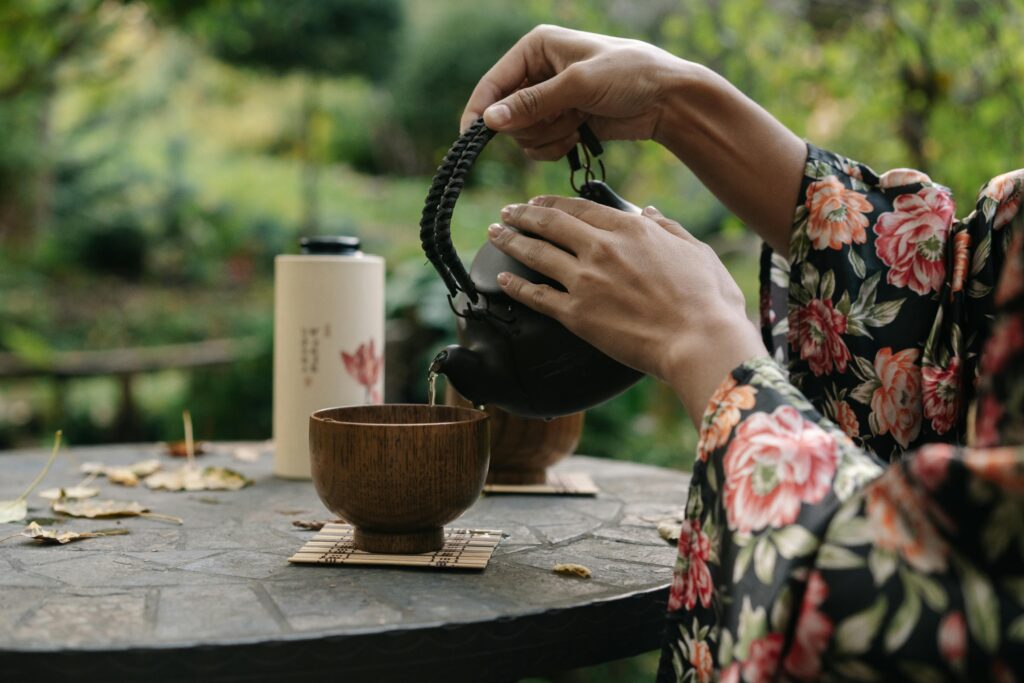
[Photo by Mikhail Nilov]
Embracing Japanese Minimalism
1. Prioritising Purpose with "Danshari"
The Japanese concept of danshari encourages mindful curation of our belongings. It advocates for a lifestyle where each item serves a genuine purpose. This idea, which means “refuse, dispose, separate,” is at the heart of Japanese minimalism. In the same way that traditional Japanese style clothing, such as a kimono, involves layering only what is necessary for harmony, danshari helps us choose only those possessions that bring value to our lives. By focusing on quality over quantity, Japanese minimalism reminds us that a truly fulfilling life doesn’t require endless material possessions.
2. Embracing "Ma" – The Power of Negative Space
A defining feature of Japanese minimalism is the appreciation of ma, or negative space. In Japanese design, the space between objects holds as much value as the objects themselves. Whether it’s in architecture, art, or interior design, this careful use of negative space creates an atmosphere of calm. This philosophy can extend to our own lives. Just as in a minimalist wardrobe, fewer, well chosen pieces create elegance. Think of Japanese t shirts that embody simplicity and versatility. The idea of ma encourages us to allow space between commitments and belongings, fostering calmness and balance.
3. Appreciating life's quiet moments
Japanese minimalism is about appreciating life’s quiet moments, and simple daily rituals. Tea ceremonies or forest bathing for example, reflect this. These practices encourage us to slow down, finding pleasure in the mundane and fostering a deep connection to the present. This attention to detail even shows up in traditional clothing such as Japanese style hoodies, where comfort meets simplicity in every stitch, blending form and function. By incorporating mindful practices, whether through a calming morning tea or a brisk nature walk, we create moments of peace in our busy lives, an essential belief of Japanese inspired simplicity.
4. Quality Over Quantity
Japanese culture places immense value on craftsmanship and durability. Whether it’s furniture, decor, or clothing, Japan’s emphasis is on quality over quantity, with items made to last and be cherished over time. Traditional Japanese artisans use natural materials like wood, cotton, and silk, creating pieces that endure and often improve with age. Clothing and well crafted furniture embody this lasting quality, encouraging us to embrace fewer, well made items that we’ll appreciate for years.
5. The Philosophy of "Kintsugi": Beauty in Imperfection
The art of kintsugi, which repairs broken pottery with gold, teaches us that imperfections hold beauty. Rather than discarding damaged items, finds value in their flaws and celebrates their uniqueness. Just as a well loved garment or an aged wooden table may show signs of wear, they also hold stories. In our own lives, embracing imperfections, whether in ourselves or in our possessions, helps us cultivate gratitude and resilience, aligning with the principle of cherishing what we already have.
6. Valuing Time as a Precious Resources
Japanese minimalism holds that time and space are among life’s most valuable resources. In Japanese culture, people often avoid activities that don’t bring joy or purpose, treating both space and time as sacred. Whether it’s by reducing clutter in our homes or cutting back on nonessential tasks, we can incorporate this idea of mindful minimalism, allowing us to focus on what truly matters and to savour the moments we might otherwise overlook.
To Conclude
In a world that often encourages more - More possessions, more commitments, more distractions - Japanese minimalism offers a refreshing path toward a life that’s calmer, more deliberate, and more fulfilling. By prioritising purpose, appreciating negative space, embracing quality, and finding beauty in imperfections, we can bring a touch of Japanese inspired simplicity into our everyday routines.



I need to start living more simply and I love how Japan as a country embraces that x
Lucy | http://www.lucymary.co.uk
I am so all for this vibe in my life right now. Simplicity, quiet, reflection and gratitude!
Rosie
I love how Japanese minimalism isn't just about design—it's really a mindset shift! The idea of finding beauty in imperfections and prioritizing quality over quantity is so refreshing to me. I feel like these tips could really help bring a sense of calm to our everyday lives! x
Lenne | http://www.lennezulkiflly.com